About Home/Field
Home/Field is a space for ethnographers of North America to contend with pressing issues through an anthropological lens, and to explore what anthropology as a discipline — methodology, theory, ethics, and more — can contribute to the imagination and enactment of a more just world. Home/Field is a project of the Society for the Anthropology of North America. We aim to publish short-form, dialogical, and multi-sensory work that exists in parallel to the long-form scholarly work found in the Journal for the Anthropology of North America to complement the research articles found in the journal.
Our Name
Because many (although not all) ethnographers of North America are also from there in one sense or another, we also think about the politics and ethics of North American anthropological engagement through the idea of doing ethnography ‘at home.’ However, in our name and elsewhere, we emphatically do not suggest that
- Anthropology’s proper home is any version of US American intellectual genealogy, geographic space, or neo-imperialist reach; or
- That only people ‘from’ North America can or should do ethnography here.
Indeed, not only do we welcome and encourage North American ethnographic engagement from diversely-situated scholars, but we also recognize and seek to foreground disciplinary contributions from the margins; from the global south; from Indigenous sovereign nations; from locations of US empire; and from historically excluded scholars. We imagine Home/Field as, in part, a space where we think about our obligations of care and experiment with accountability towards the people we learn with and from, as well as the broader spaces and places we call home.
Publication Info
License: CC BY-ND 4.0
Format: Online-only, open access, rolling publication
Editorial Collective
 Sarah Molinari
Worcester Polytechnic Institute
disaster recovery; debt politics; grassroots movements; care; Puerto Rico
✉
 Deniz Daser
University of St. Gallen
undocumented migration; labor and work; post-disaster rebuilding; insurgent citizenships; US Gulf region
✉
 Megan Raschig
CSU Sacramento
World-building; Chicanx-Indigenous Healing; Anti-Carceralism; Feminist and Fugitive Ethnography
✉
 Elisa Lanari
Max Planck Institute for the Study of Religious and Ethnic Diversity
race/ism; whiteness; insurgent suburbs; Latinxs; metropolitan US
✉
 Sheehan Moore
CUNY Graduate Center
political ecology; land; property; crisis; environmental governance; US/Gulf south
✉
 Matthew Chrisler
Independent Scholar
publics; racial and colonial formations; social reproduction; crisis; US Sunbelt
✉
 Amelia Frank-Vitale
Princeton University
Collections
Recent Articles
Academia in Tumult
Kitchen Floor Ethnography: Knowledge from the Margins
The narrow lanes of Palamuru Basti in Hyderabad city carry different sounds in times of crisis. Palamuru Basti is a densely populated urban slum in Hyderabad, India, where the I have established long-lasting connections and friendships with several families over multiple years of fieldwork.
Anthropology in Florida
Approaches to Anthropological Praxis in Florida
This text is written in resonance with a communication presented during a counter-event of the Congress of the Federation of Human Sciences (FHS), in June 2024, in Montreal. The counter-event was organized to protest the FHS’s lack of position on the genocide in Gaza and the pro-Palestinian student movement, as reflected in the encampment at McGill University where the congress was supposed to take place.
Campus Protests
Inside and Outside of the University
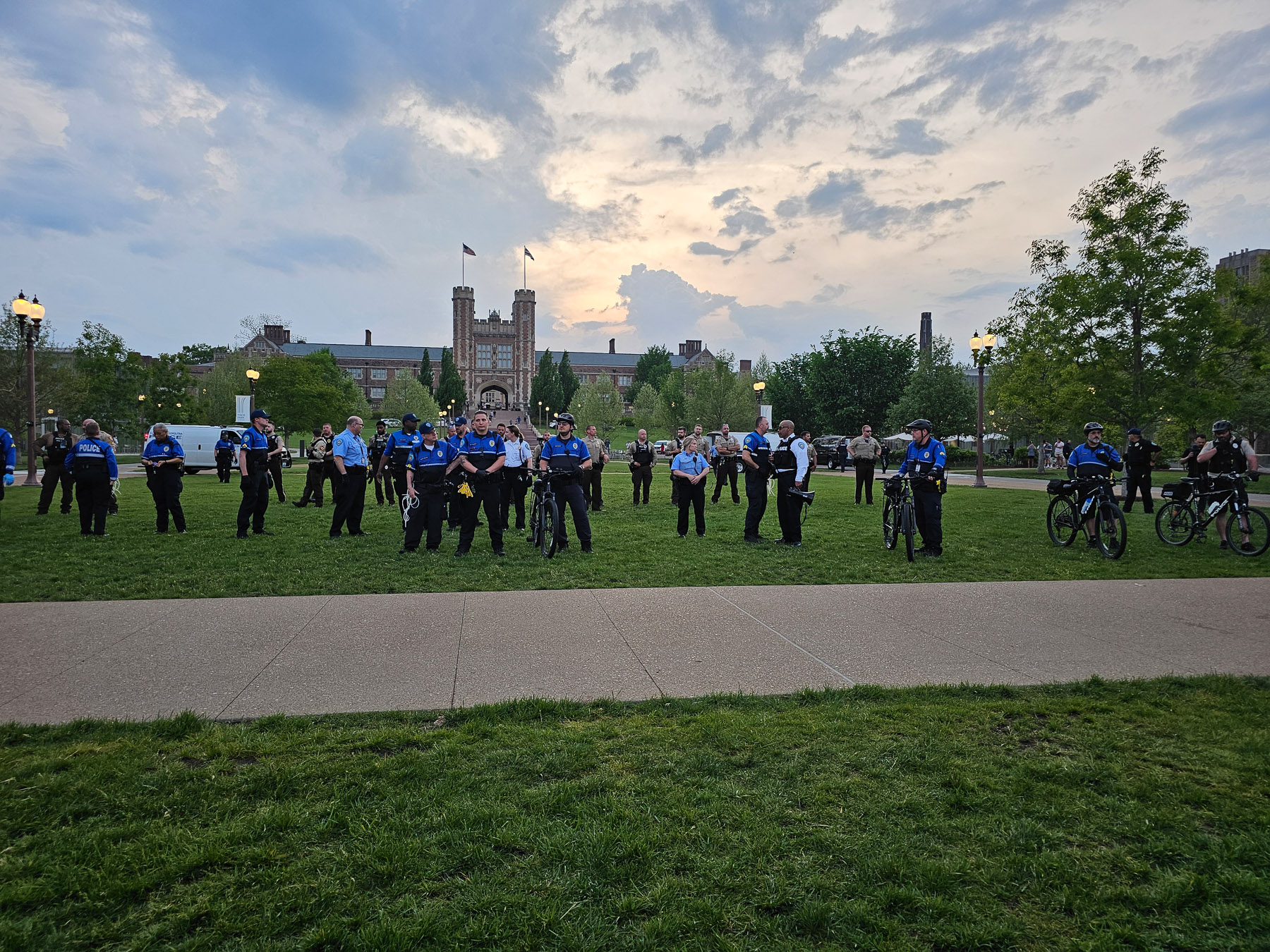
On the morning of Saturday, April 27, 2024 the Instagram account of a collective at Washington University in St. Louis posted a message proclaiming “WASHU IS EVERYWHERE” in bold, red text.
Campus Protests
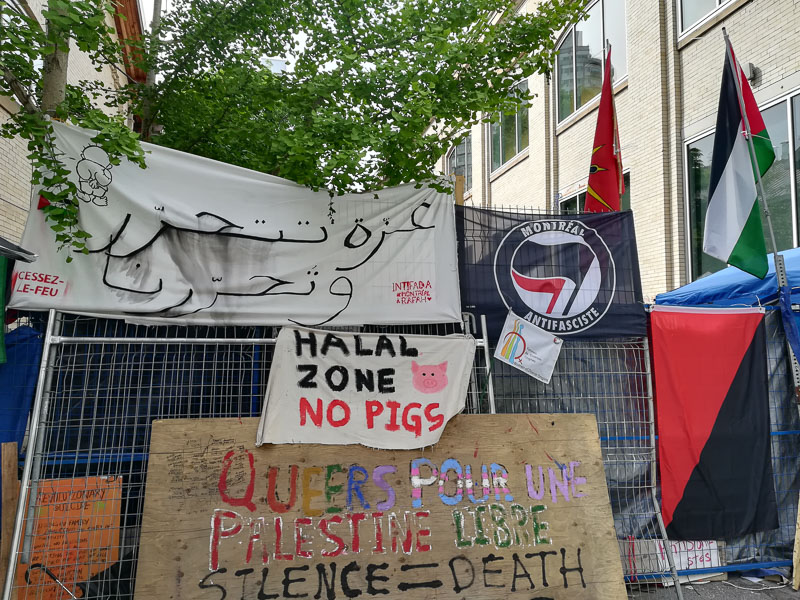
Pro-Palestine Struggle in Canada and Backlashes: Militant Ethnographic Reflections on the Al Aqsa Popular University Encampment
This text is written in resonance with a communication presented during a counter-event of the Congress of the Federation of Human Sciences (FHS), in June 2024, in Montreal. The counter-event was organized to protest the FHS’s lack of position on the genocide in Gaza and the pro-Palestinian student movement, as reflected in the encampment at McGill University where the congress was supposed to take place.
-
Campus Protests
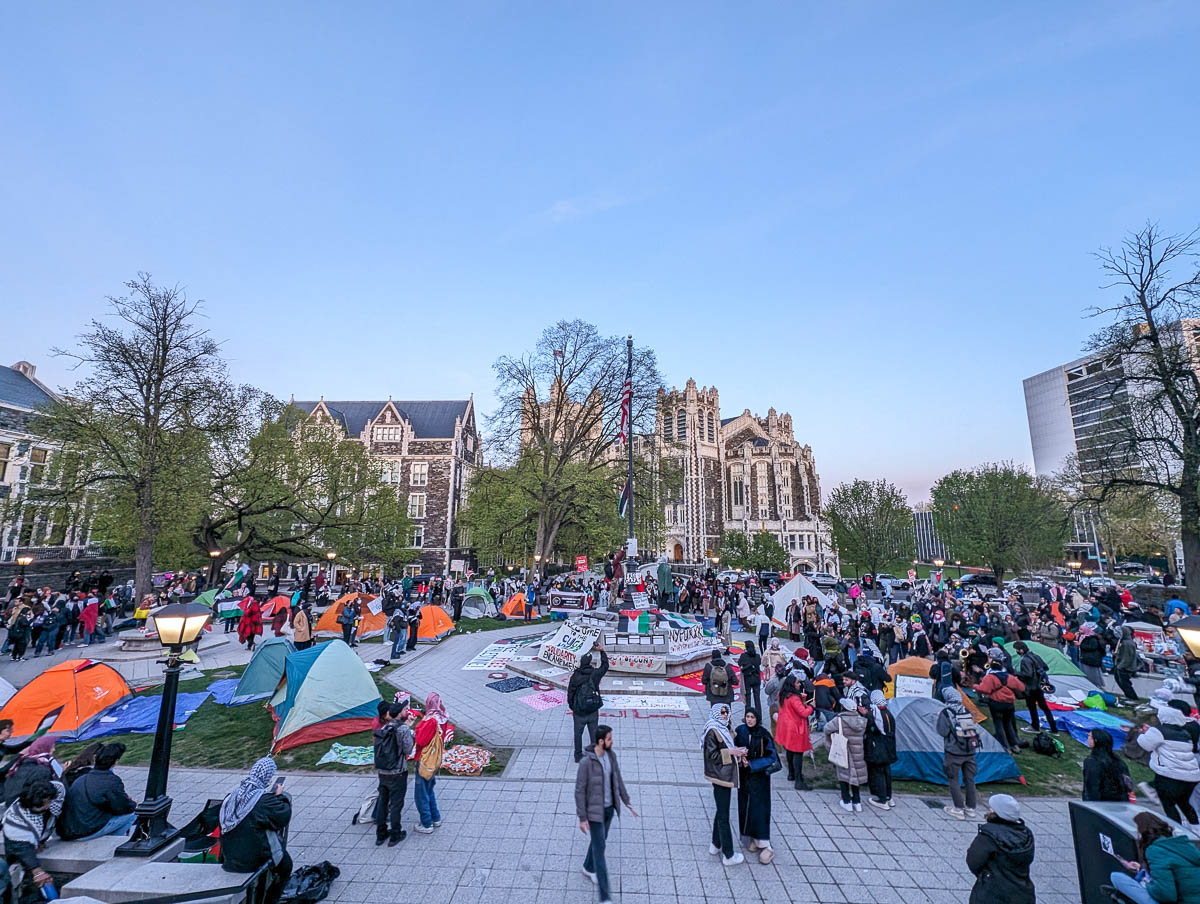
Occupy Tabaret: 72 days of resistance and solidarity
By Yasmen Abuzaid, Dency Amalraj, and Lisa Howell Table of [...]
Campus Protests
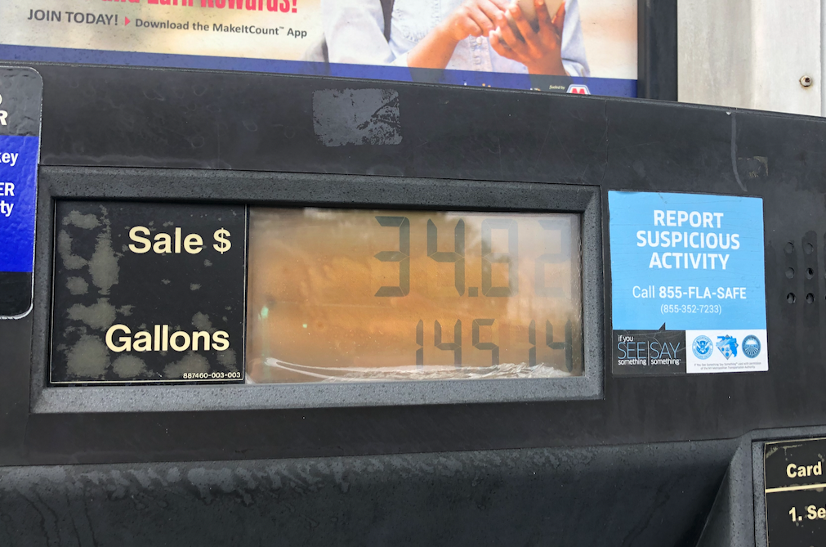
On the CUNY Gaza Solidarity Encampment: Solidarity and The Campus
By Anonymous “One begins to wonder whether societies do not [...]
Anthropology in Florida
Palm trees, heat, and humidity
Mr. Wilson points to a sign hanging on the wall behind his desk, referring to the other teachers with classrooms around the courtyard, “and that hard corner sign, makes us laugh. What a joke. There ain’t nowhere to hide in a room like this.” Identified by police as the best place to hide in the event of an active shooter, a hard corner sign hangs above the area of the classroom least visible to someone outside the room. Written into Florida school safety policy following the 2018 shooting at Marjory Stoneman Douglas High School in Parkland, schools are required to hang a hard corner sign above a police-identified hard corner in every K-12 classroom across the state. Using his hands and fingers to make air quotes, Mr. Wilson elates, “There ain’t no ‘hard corner’ in here! They just put that there ’cause it was on some checklist. I guess it makes them feel like they done their job.”
Communities in Crisis
Photo Essay: A Louisiana “Fenceline” Community
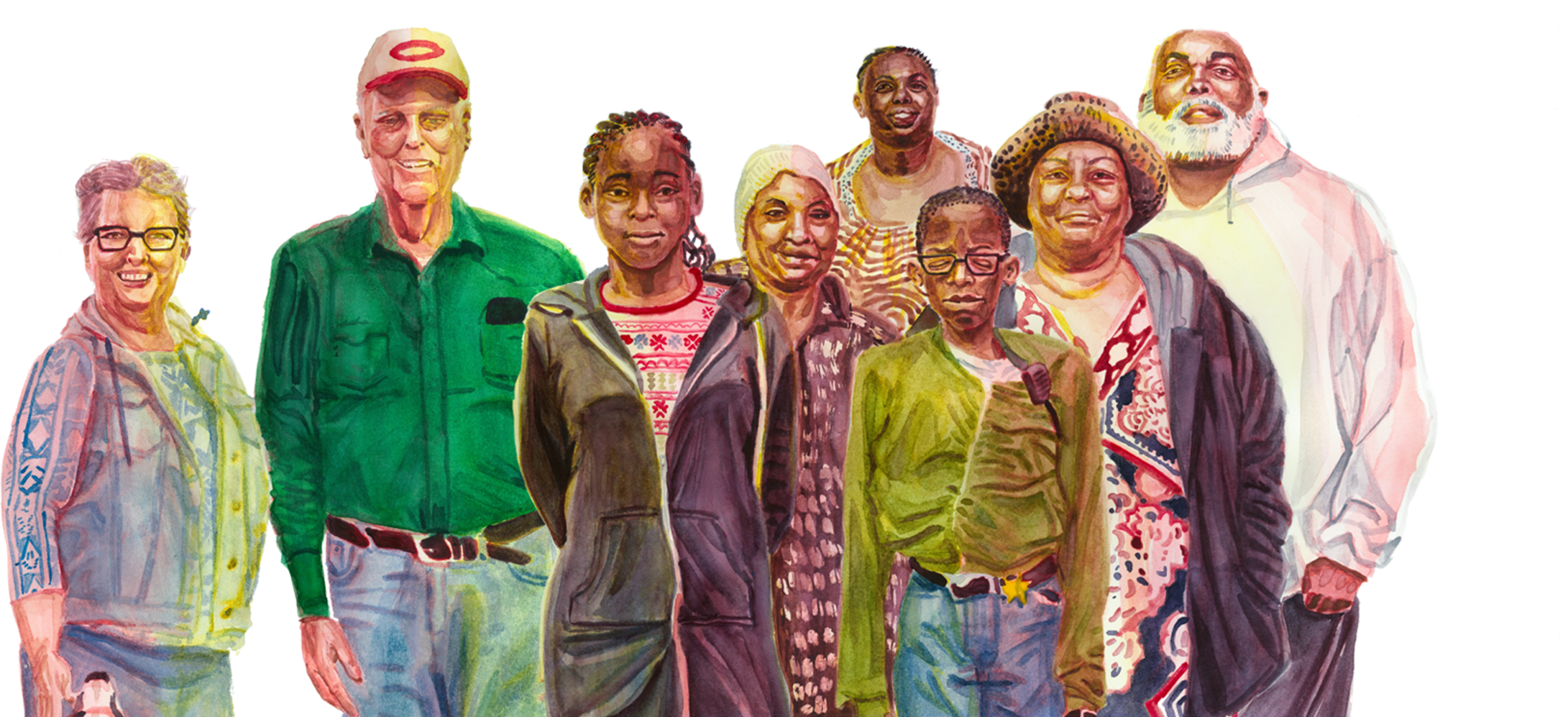
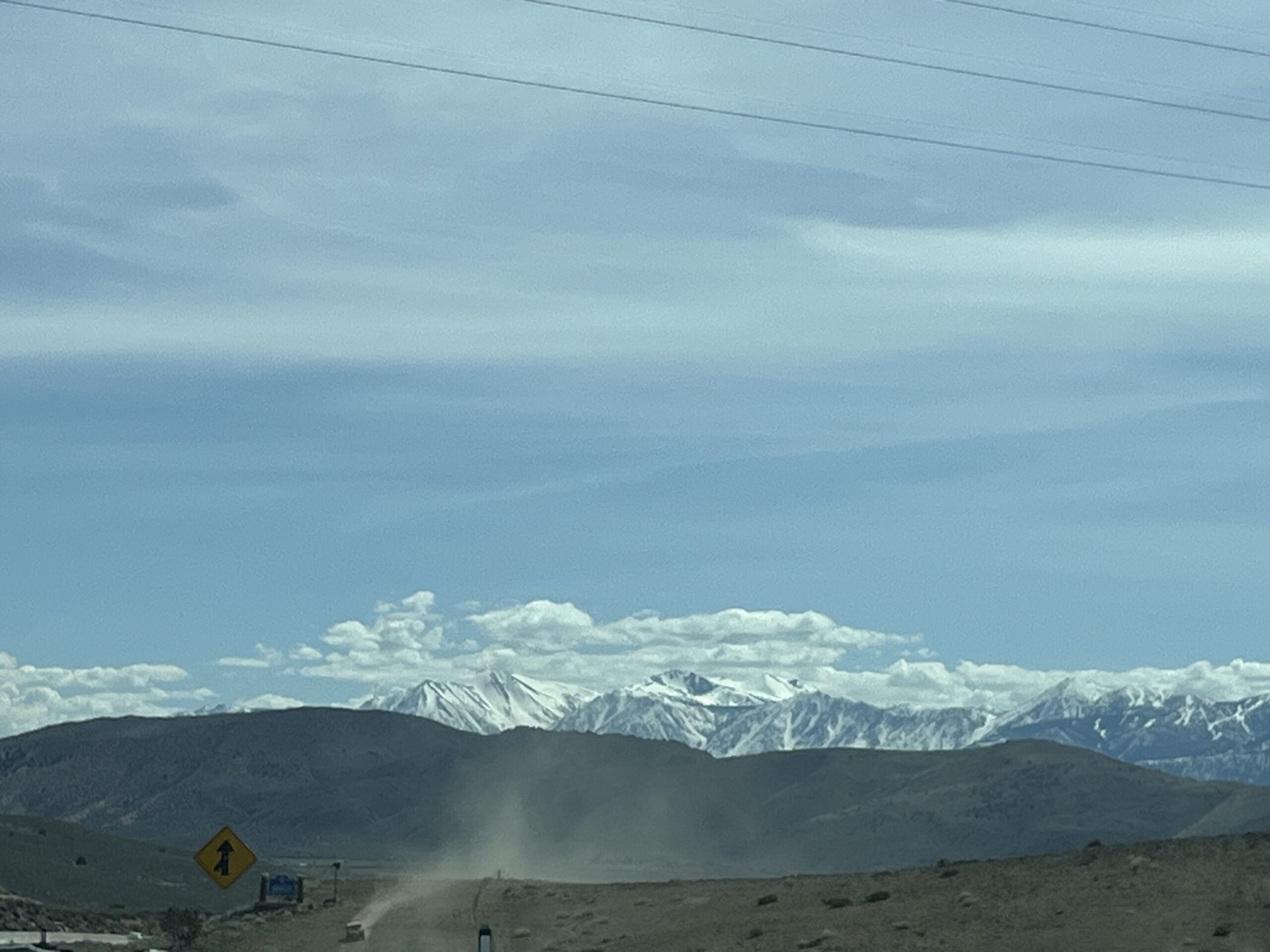
In Colfax, Louisiana, an interracial group of residents are exposed to harmful inhalants every hour, and many have begun to get sick. The toxins come from an open-air incineration facility on the outskirts of town. As residents protest and document their experiences of environmental violence, the town has continued to come to grips with the Colfax Massacre of 1873, an extreme instance of white supremacist violence which changed U.S. history and set the stage for the Jim Crow era.
This piece combines selected photographs by Tulane’s Critical Media and Visualization Lab and watercolor portraits of Colfax residents by New Orleans-based artist Hugo Martínez.
Communities in Crisis
Opiate Addiction as Crisis: Chronic condition or call to action?
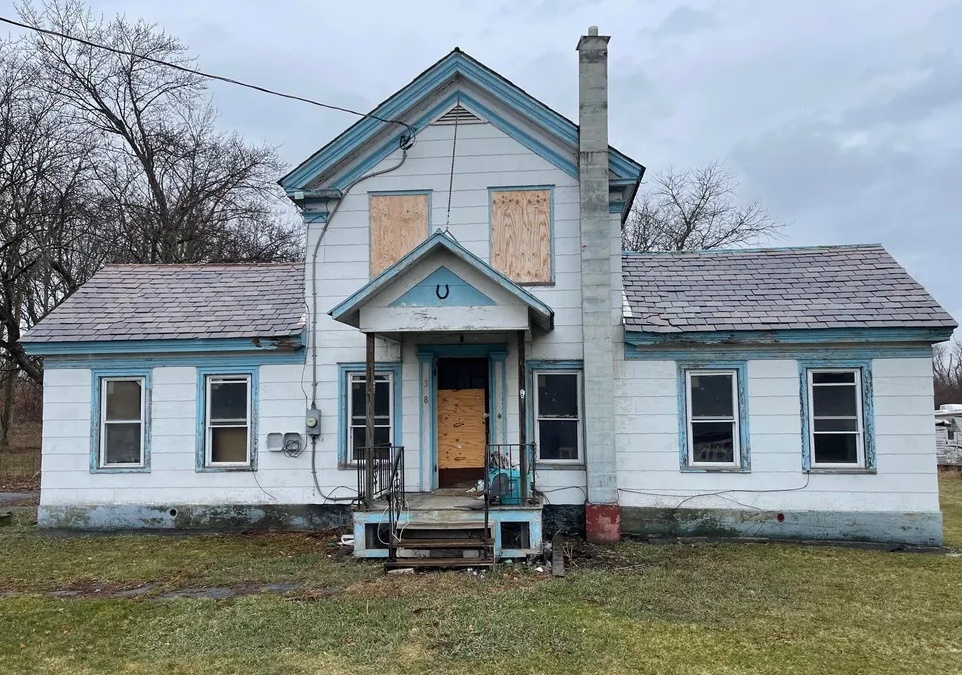
Death due to opiate overdose is a growing concern in the U.S. Together with mental health, wellbeing, and employment, opiate addiction is one of the topics often described as contributing to a national crisis (Mega 2020). However, in public discourse the concept of crisis is wielded to depict situations that seem without solutions.
Communities in Crisis
Geographies of Crisis and Histories of Failure: Deindustrialization and Addiction in Rural America
Driving around northeastern New York on the roads known as ‘heroin highway,’ the landscape once shaped by growing industries is a familiar blur of dispossession. The towns and spaces in between along the winding line of weathered asphalt are defined by overlapping narratives of crisis: the chemical dehumanization and death– embodied in the synthetic opioid fentanyl – and the damaged environments, illegible economies, and suffering bodies of late industrialism. My early work with law enforcement agents, drug courts, and archives found these overlapping crises to be far from total: seemingly “ruined” people and places along the highway are entwined with the area’s postindustrial middle class, extensive green spaces, and thriving ecotourism.
Communities in Crisis
“Well, We’re Still Waiting…”: The Prolonged Crisis of Military Facility Closures
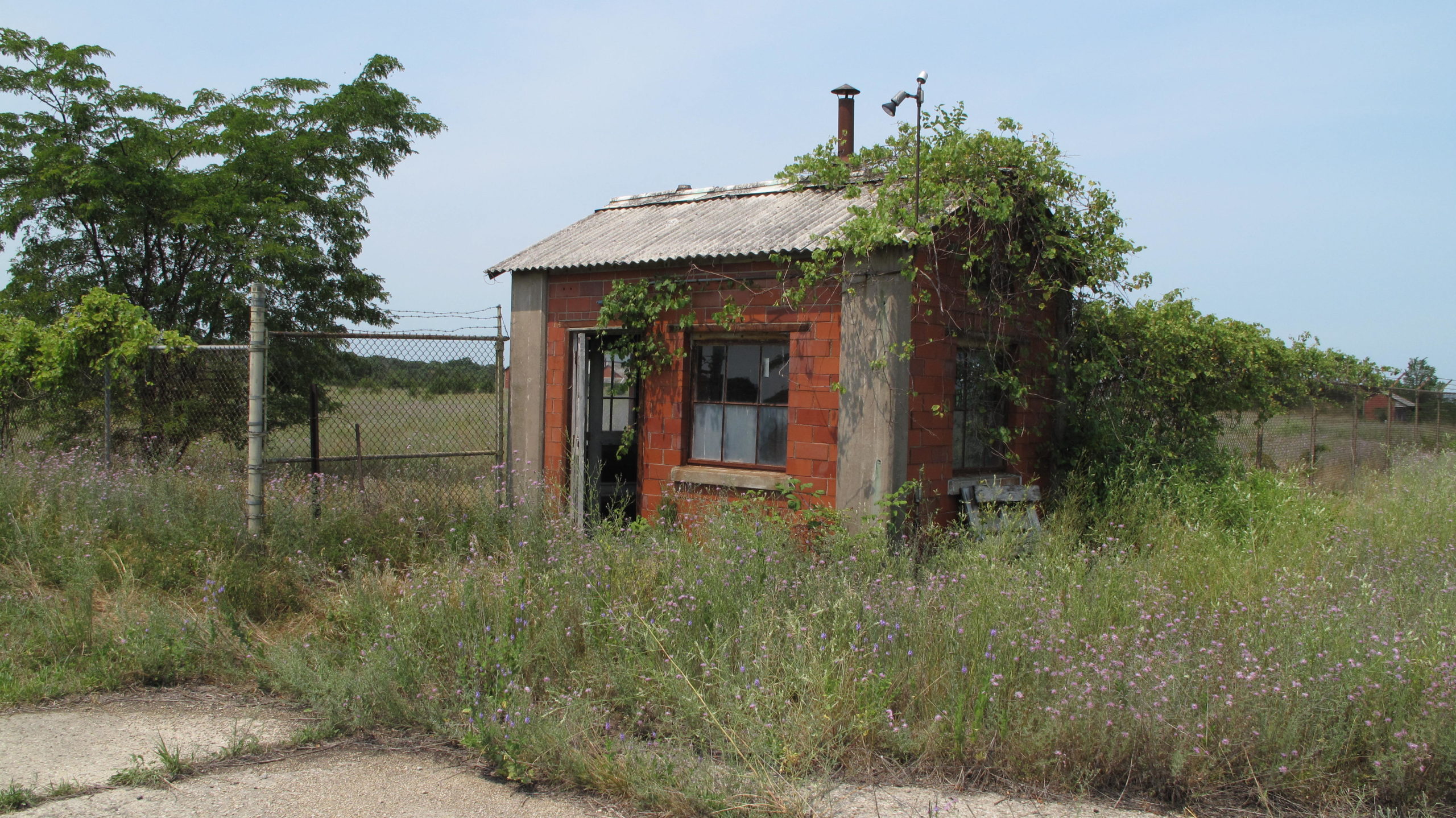
Decades after the Army closed the Savanna Army Depot in 2000, the lingering impact from its past use haunts this place in the soil and groundwater. Upon its closure, the Environmental Protection Agency declared the Savanna Army Depot a Superfund site, given the enduring contamination from TNT, asbestos, unexploded ordnance, chemical pollutants, and the residues of other environmental hazards. The Department of Defense is responsible for funding the restoration of former military lands to communities in a usable state, but the cleanup has been glacial at many sites like the Savanna Army Depot. In the years—decades—since, residents of Savanna have experienced the facility’s closure and its subsequent neglect as a long crisis of abandonment.
Communities in Crisis
Crisis and Community Care: Studying Hunger at Home as a First-Generation Student
I grew up in a food insecure household in Appalachian Eastern Kentucky, yet I can understand why hunger is believed to be far away. Our hunger was a stigmatized secret, pushed to the back of the pantry, just like the expired can of yams we hoarded just in case social services came by—or we reached a new threshold of desperation.